
Make AI work
for your business.
RPA2AI advises business leaders, investors, and institutions on AI strategy, investments, and governance. We help you decide where AI can create value, understand the risks, and prepare your organization for change.
- Value
- What should improve?
- Capability
- What can work?
- Accountability
- Who owns the risk?
Sound strategy.
Informed judgment.
AI decisions affect the whole business. Our advice brings together technology, finance, law, and the experience of how organizations work.
Enterprise AI strategy
Choose where to act, what to build or buy, and how to connect AI initiatives to business priorities.
Explore enterprise ai strategy →AI governance & risk
Connect oversight, responsible use, and accountability to the way AI is selected and operated.
Explore ai governance & risk →AI due diligence
Examine the technology, data, and differentiation behind an AI investment thesis.
Explore ai due diligence →Technology moves quickly.
Good judgment endures.
Successful adoption depends on understanding the work, choosing the right tools, and preparing people to use them well.
Our work spans enterprise automation, technology selection, and organizational change. That perspective remains essential as organizations add generative AI and more autonomous systems to their operations.
RPA2AI brings strategy, investment analysis, governance, and education into the same conversation.
Explore automation & change →Ideas for leaders.
Insights for practice.


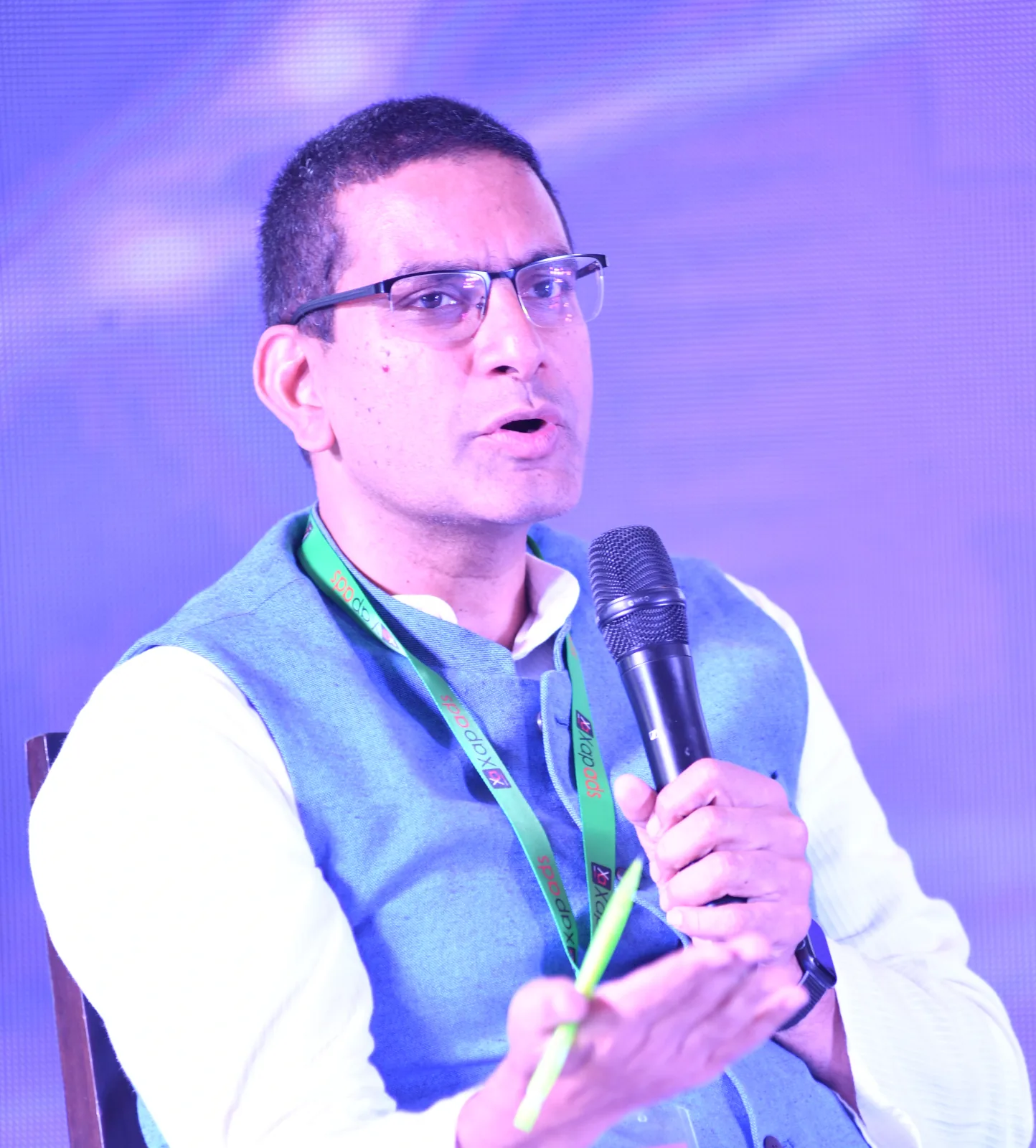
Kashyap Kompella, CFA
An AI industry analyst, author, and educator working across technology, business, finance, and law.
Kashyap’s work spans product development, management consulting, industry analysis, enterprise advisory, startups, writing and professional education.
His work includes enterprise AI advisory, books with Alan Pelz-Sharpe and James M. Cooper, and role-specific AI upskilling for leaders and professional teams.
Questions about putting AI to work.
Where should a business start with AI?
Start with a business problem and a realistic view of what AI can contribute. RPA2AI’s advisory work connects adoption plans with technology selection, organizational readiness and executive priorities.
A useful starting point is a defined task whose quality and cost can be assessed. Ask what a successful result would look like in daily use, and involve the people who will rely on it. Kashyap’s article on enterprise evaluation explains why general model rankings cannot settle those business questions. Read more about evaluating AI for enterprise use.
Why do promising AI pilots struggle to scale?
A pilot can leave data silos and process bottlenecks untouched. Scaling requires an enterprise plan that connects individual applications to the wider workflow.
Consider the supporting systems as well as the model: information must reach the application, outputs must enter existing processes, and someone must maintain the connections. A successful demonstration does not establish that these arrangements are ready. Kashyap’s guide to the enterprise AI technology stack sets out the components behind a working application. Read more about the enterprise AI technology stack.
How should leaders assess the value of AI agents?
Measure the cost of a completed business outcome, including tool calls, retries, data access and human review. A low model price alone does not establish value.
Look for costs that grow with an agent’s behavior, such as repeated attempts or unnecessary use of expensive models. Cost controls should be designed into execution, with visibility into where spending occurs. Kashyap’s cost-optimization article offers a practical basis for examining those decisions before usage expands. Read more about controlling AI agent costs.
Does using AI reduce the need for human judgment?
No. People remain responsible for goals, difficult judgments and consequences. Agentic systems make those responsibilities more important as software gains the ability to act.
Oversight needs an organizational framework, with responsibilities that people understand and can carry out. Deciding to keep a person involved is a starting point; that person must know how the review fits the wider process. Kashyap’s governance-framework article explores the organizational work required to make oversight effective. Read more about an AI governance framework.
What does RPA2AI advise on?
RPA2AI is an independent industry analyst firm. Its work covers enterprise AI strategy, technology selection, investment due diligence, governance, organizational change and professional education.
What is your next AI decision?
Talk to us about your business priorities, an investment, or your team’s learning needs.